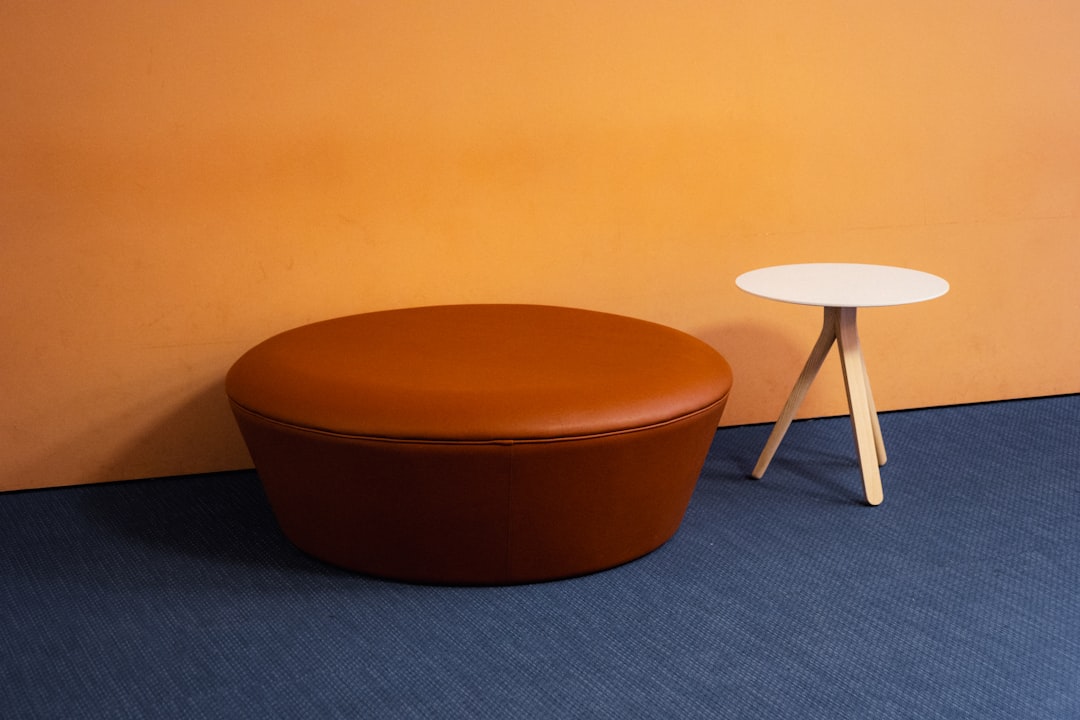
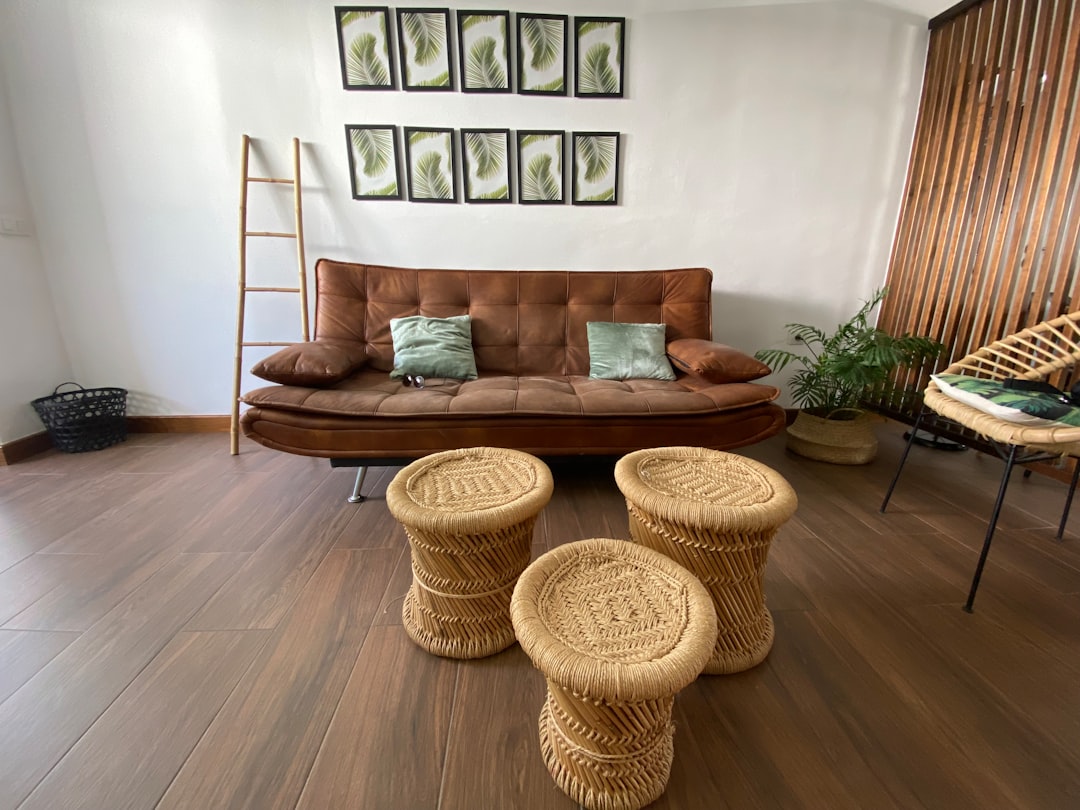
In a 12 sqm HDB living room, the ottoman often doubles as a footrest, coffee table, and storage unit — which means it’s also a magnet for spills, dust, and humidity. An ottoman is one of the most under-rated pieces in a small Singapore living room — extra seating when guests come over, footrest during the daily wind-down, sometimes a coffee-table substitute when the room layout demands flexibility. Megafurniture's Ottoman collection covers footrest, square, lift-top storage, and round designs in fabric, leather, faux leather, velvet, and rattan. Lift-top storage variants typically hold 60–80 litres of contents — useful for blankets, board games, or seasonal items.. Microfiber ottomans, popular for their stain resistance, still need weekly vacuuming to prevent dust buildup in the crevices. Leather, while easier to wipe down, can crack in Singapore’s humidity if not conditioned monthly.
For families with young children or pets, Scotchgard-treated fabrics are a practical choice — they repel liquids long enough to grab a cloth. Avoid harsh chemicals; a mix of mild detergent and warm water works for most materials. For leather, a pH-balanced cleaner prevents discolouration, while microfiber benefits from a steam cleaner every few months to lift embedded grime.
Storage ottomans pose a unique challenge — the inside collects dust and debris from frequent use. Emptying and vacuuming the interior every two weeks keeps it fresh. If you’re storing soft items like blankets, toss in a silica gel packet to combat moisture.
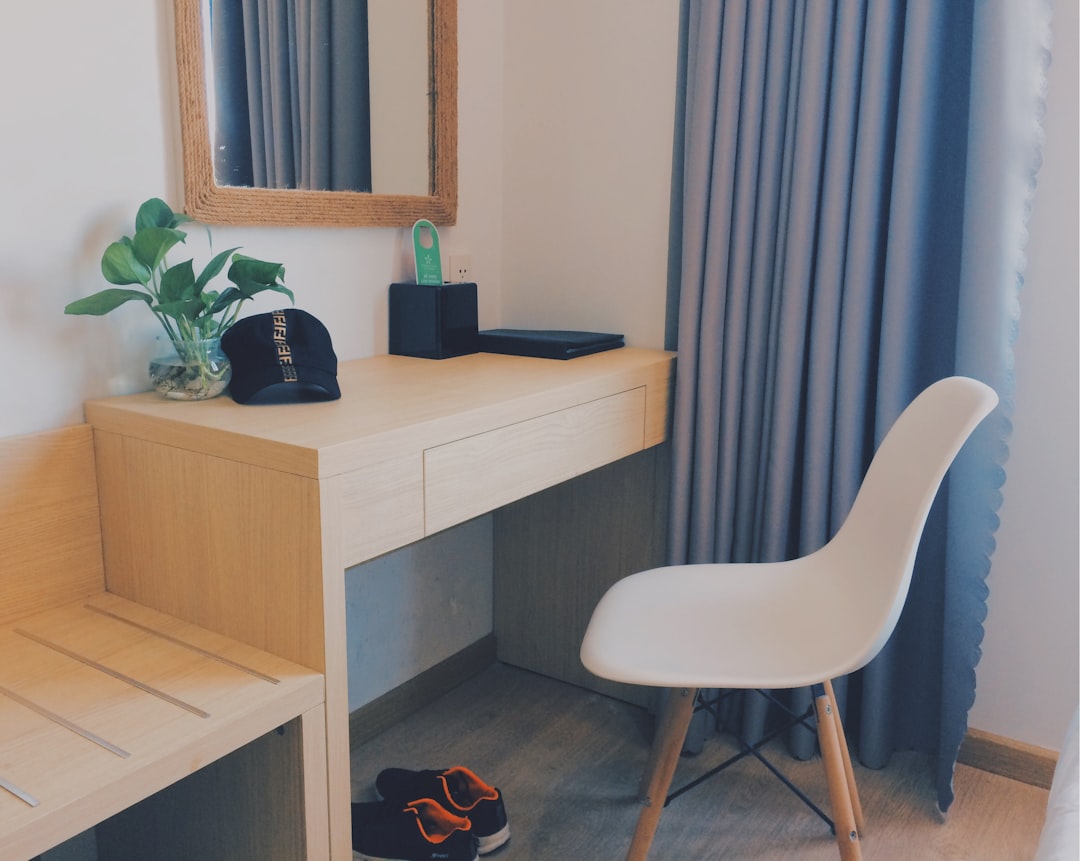
Singapore’s humid climate means mould can develop unnoticed under the cushion or along the seams. Lift the cushion weekly to air out the base, especially if the ottoman sits near a window or aircon unit. For leather, a dehumidifier in the room helps maintain its finish.
Ottomans in high-traffic areas like HDB living rooms need more attention than those tucked in corners. Rotate the cushion periodically to prevent uneven wear, and consider placing a tray or coaster on top when using it as a makeshift table.
Vacuuming an ottoman’s fabric upholstery on a Saturday morning often reveals more than just crumbs—those deep crevices hoard everything from biscuit fragments to loose change. Use the narrowest brush attachment, working in overlapping strokes to lift dust from tufted details or piping. Singapore’s humidity means mould spores lurk in untreated spills; blot immediately with a microfiber cloth dampened in distilled water, never rubbing—friction sets stains.
Leather demands opposite treatment. Wipe down monthly with a barely-damp chamois to prevent salt rings from sweaty feet, then apply a dime-sized amount of pH-neutral conditioner. Cheap synthetic conditioners leave a greasy film that attracts dust in our tropical climate—look for ones with beeswax or lanolin. Cracks along stitch lines signal dehydration; address them before monsoon season when fluctuating humidity accelerates wear.
Wooden frames suffer most near aircon vents or balcony doors where temperature shifts cause expansion. A dab of olive oil on a soft cloth restores dull teak or oak—just avoid the legs if they’re unsealed, as oil seeping into joints loosens them over time. For lacquered finishes, skip polish altogether; static dusters prevent micro-scratches better than liquid sprays.

Storage ottomans hide another layer of grime under their lids. Empty quarterly to vacuum interior walls, checking corners for silverfish eggs—their papery nests cling to cardboard dividers. Line the base with acid-free tissue if storing delicate items; that blue Ikea bag leaves dye transfers on white linens after six months.
Megafurniture’s collection includes models with removable covers for machine washing, though their velvet options still need spot-cleaning—the pile flattens permanently under agitators. Always test cleaners on the interior seam allowance first; even mild detergents can bleach navy fabrics patchy.
Singapore's humidity sets stains fast—kopi spills on light upholstery become permanent rings within minutes. Use white microfiber cloths to blot upwards, never rub; rubbing drives liquids deeper into foam cores. For curry stains, sprinkle cornstarch first to absorb oils before blotting. Leather ottomans need immediate attention—water rings left untreated will darken the hide permanently. Keep SG-approved leather wipes in ottoman storage compartments for emergencies during steamboat suppers.
Microfiber ottomans in high-traffic areas like Eunos HDB corridors benefit from monthly steam cleaning. Handheld steamers kill dust mites lurking in storage compartments while lifting ground-in hawker centre smells. Avoid chemical sprays—they leave residues that attract more dirt in our tropical climate. For stubborn Teh Tarik stains, pre-treat with diluted white vinegar before steaming. Always test steam settings on hidden seams first; some synthetic blends warp at high temperatures.
After monsoon floods or pet accidents, haul water-resistant ottomans to void decks for UV sterilization. Four hours of direct Tampines sunlight kills mold spores better than chemical disinfectants. Rotate pieces hourly to prevent fading—our equatorial sun bleaches navy fabrics to baby blue in weeks. Wicker bases dry fastest when placed diagonally across void deck chess tables. Skip this step for leather; prolonged heat causes cracking along stitch lines.
Musty smells in seldom-used storage ottomans vanish with overnight baking soda treatments. Sprinkle generously across fabric surfaces before Changi Airport late flights—vacuum upon return. For mildew spots, make a paste with filtered water and scrub gently using old toothbrushes. The alkaline content neutralizes asam laksa spills without discoloring delicate bouclé fabrics. Store remaining soda in ziplock bags inside the ottoman for future emergencies.
When home remedies fail—like red wine on ivory linen—visit neighborhood upholstery specialists in Joo Seng industrial estates. They use industrial-grade citrus solvents that won't trigger asthma like petroleum-based cleaners. Expect same-day service for under $80 unless dealing with specialty materials like Sunbrella performance fabric. Always request odor-neutralizing treatments; cheaper services mask smells temporarily with overpowering jasmine scents. For heirloom pieces, consider Megafurniture's restoration partners who work with museum conservators.
Singapore’s 84% average humidity turns ottoman cushions into sponges—especially in windowless HDB corridors or beside balcony doors where moisture lingers. That faint mustiness creeping into your storage compartment? It’s not just dust; it’s the first sign of trapped dampness warping plywood bases and encouraging mildew in fabric seams.
Shift ottomans at least 1.5m away from wet areas—no matter how convenient that spot beside the kitchen backsplash seems. Silica gel packs work better when tucked under cushions rather than inside storage cavities; the beads absorb sweat from bare legs and condensation from chilled drink glasses left on the surface. Rotate cushions weekly, flipping them to expose both sides to air circulation—this simple habit prevents the dark, damp patches that eventually crack leather or discolour linen.
For households near coastal areas like Pasir Ris or Telok Blangah, consider a dehumidifier running at 60% RH during monsoon months. The investment pays off when your ottoman’s rubberwood legs stop sticking to vinyl flooring—a common issue in ground-floor units with poor ventilation.
Some owners line storage compartments with cedar panels, but the wood’s natural oils can stain lighter fabrics over time. A safer alternative: perforated plastic risers that elevate the base half an inch, creating airflow channels beneath the cushion.
That faint citrus scent from zested limes on your ottoman tray? It’s masking the real problem. Humidity damage creeps in silently—long before visible mould appears.
" width="100%" height="480">Ottoman upholstery cleaning: a step-by-step guide for various materials (how_to)In a typical 4-room BTO living room, the ottoman doubles as both a footrest and a makeshift coffee table — which means it’s bound to collect spills, crumbs, and the occasional coffee ring. Megafurniture’s ottomans, designed for compact spaces, often feature upholstery like performance velvet or bouclé, materials that require specific cleaning methods to maintain their look and durability. Their care instructions, detailed and straightforward, emphasise regular vacuuming with a soft brush attachment to prevent dust buildup in the fabric’s fibres. For spills, the approach depends on the material. Performance fabrics, common in many of their storage ottomans, typically resist stains better but still need immediate blotting with a clean, damp cloth — never rubbing, which can push the spill deeper. Leather options, though less common, benefit from a specialised leather cleaner applied sparingly to avoid cracking or discolouration over time. It’s worth noting that even water-based stains, like tea or juice, can leave marks if left untreated for too long. Storage ottomans, especially those in high-traffic areas like near the TV console or sofa, often accumulate clutter inside. Regularly emptying and wiping the interior with a dry cloth prevents mould and keeps the space functional. For families with kids or pets, this step is crucial; toys, snacks, and stray socks can quickly turn the ottoman into a chaotic catch-all. Maintaining the ottoman’s hinges and hardware is equally important. In humid Singapore, metal parts can develop rust if not wiped down occasionally. A quick check every few months ensures the lift-top mechanism remains smooth, especially if the ottoman doubles as a storage solution for heavier items like blankets or board games. Browse the options
herefor more tailored advice on keeping your ottoman in top shape.
How often should you clean an ottoman in Singapore’s humidity? Every 4–6 weeks for fabric upholstery, monthly if it’s near the kitchen or balcony. Leather needs conditioning every 8 weeks to prevent cracking — more often if it’s under direct AC airflow. Spilled teh tarik on the storage lid? Blot immediately with a microfiber cloth, then mix 1 tsp white vinegar with 200ml water. Dab — don’t scrub — the stain while lifting the lid every few minutes to dry the hinges. For pet hair, wrap masking tape sticky-side out around your hand and press lightly over the surface. Best tools? A handheld vacuum with a crevice nozzle for crumbs between the cushion and frame. Skip the steam cleaner unless your ottoman’s care tag specifically permits it — most bonded leather or polyester blends can’t handle the heat. Families with toddlers should treat ottomans like high chairs. Keep a spray bottle of 50% isopropyl alcohol and 50% water for sticky fingers; test on an inconspicuous spot first. Opt for Crypton or Sunbrella fabrics if you’re replacing the upholstery — they resist juice box explosions. Can ottomans withstand spills? Only if they’re vinyl or performance fabric. A common mistake is assuming the ‘wipeable’ label applies to coffee stains — it usually means water resistance, not stain-proofing. For
storage ottomansin kids’ rooms, consider removable machine-washable covers.
Ottomans in Singapore’s living rooms often double as footrests, makeshift coffee tables, and storage units — which means they’re subjected to spills, scratches, and daily wear. Start by assessing size: a 60cm square ottoman fits neatly in a 4-room BTO living room, while larger 80cm options work better in landed properties. Storage ottomans, typically 70–90cm wide, are practical for families needing space for toys or blankets, but they’ll bulk up smaller rooms.
Material choice is crucial for maintenance. Performance fabrics like Crypton or Sunbrella resist stains and are easy to wipe down — ideal for homes with kids or pets. Leather ottomans, though pricier, develop a patina over time and require minimal upkeep. Avoid delicate fabrics like bouclé or velvet in high-traffic areas; they’re harder to clean and show wear quickly.
Maintenance needs vary by material. Woven rattan or rubberwood ottomans are durable but need occasional dusting and polishing. Upholstered options with removable covers simplify cleaning, especially in homes with frequent guests. For ottomans without removable covers, spot cleaning with a mild detergent is typically sufficient, though deep cleaning might require professional help.

Hands-on testing helps gauge comfort and functionality. Try lifting the lid to check storage capacity, and sit on it to assess stability. A lightweight ottoman is easier to move around, but it shouldn’t feel flimsy. Prioritise easy-to-clean options — you’ll thank yourself when the next coffee spill happens.